Pay 70% Less: Ultimate Child First Dental Visit Financial Planning Guide for Indian Parents
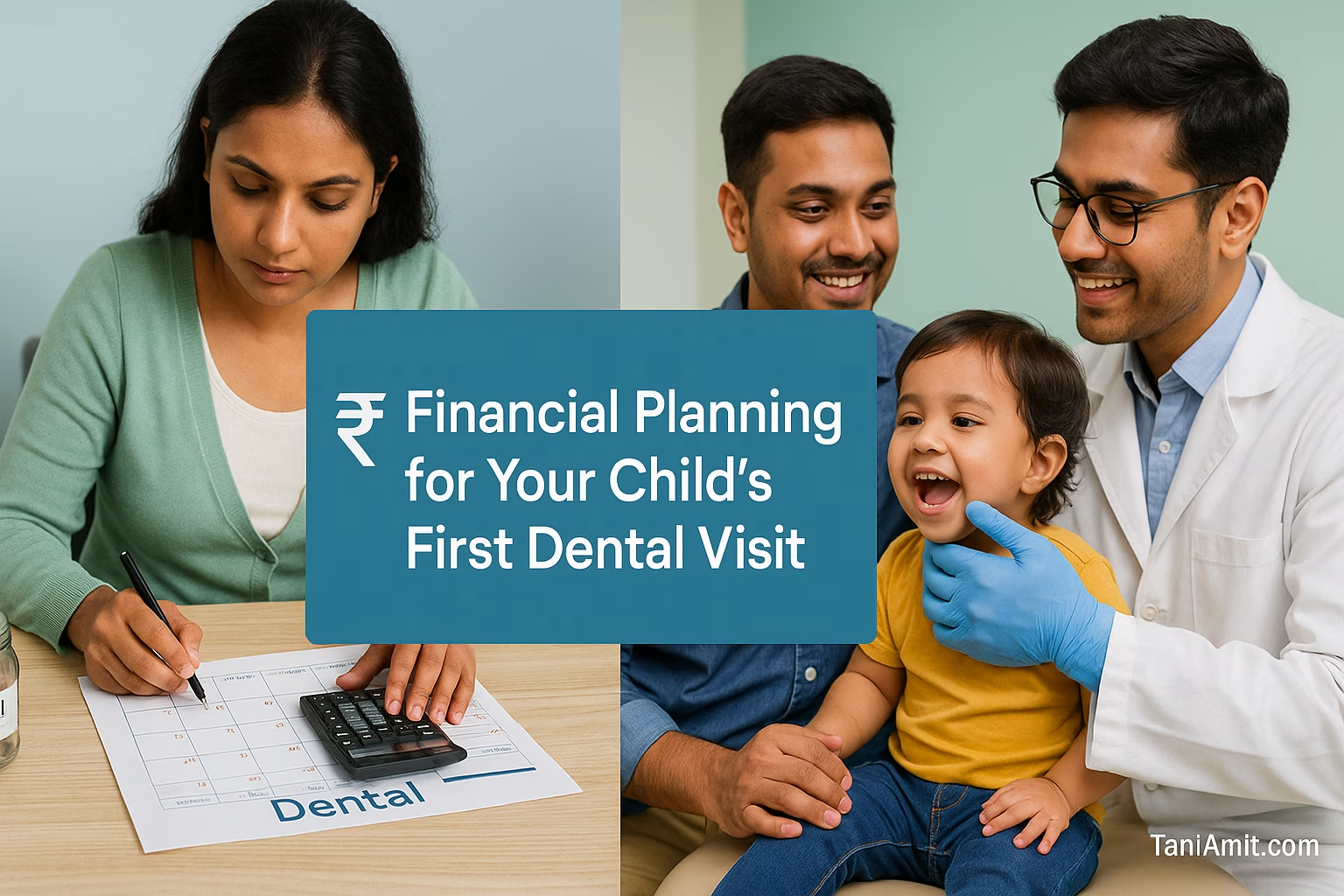
Are you wondering how to financially prepare for your child’s first dental visit? You’re not alone! Many Indian parents feel anxious about the costs associated with pediatric dental care. This comprehensive guide by Dr Taniya Gupta, a dental surgeon and Mr Amit Gupta, a senior banker; will walk you through everything you need to know about child first dental visit financial planning, ensuring your little one gets the best care without breaking your budget.
Also Refer: How to Create a Complete Preventive Dental Care Plan for Your Family in 2025.
When Should Your Child Have Their First Dental Visit?
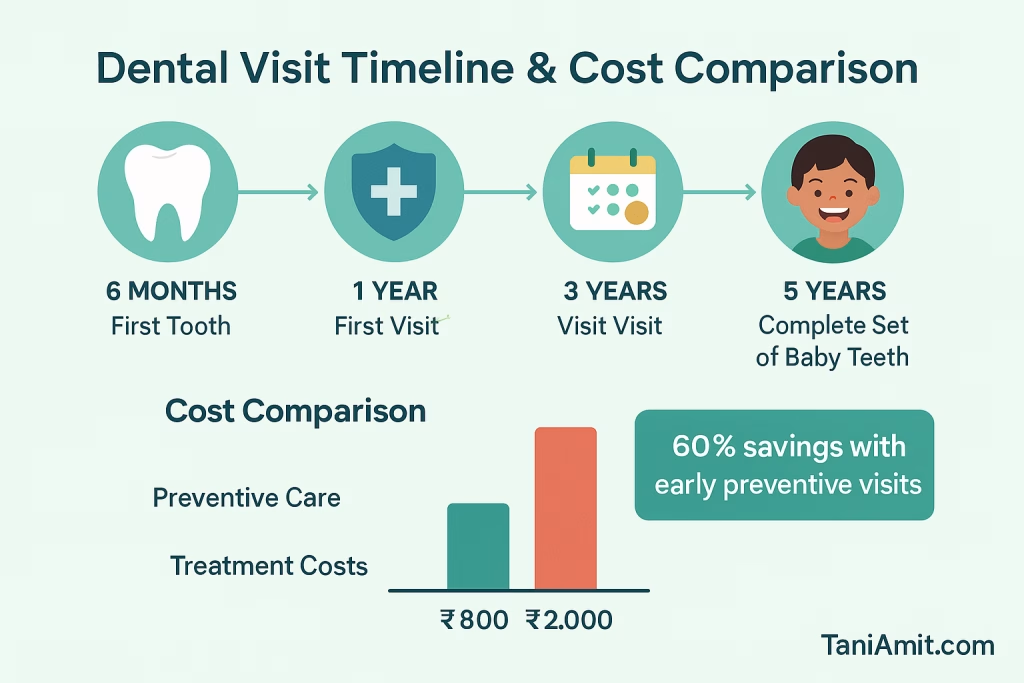
Did you know that nearly 40% of Indian parents delay their child’s first dental visit due to financial concerns? One of our clients made this mistake with his first child, waiting until she was almost 3 years old before scheduling that initial checkup. Big mistake! The dentist found several issues that could have been prevented with earlier intervention, costing him significantly more than if he’d started sooner.
The Indian Dental Association recommends scheduling your child’s first dental visit when their first tooth appears or by their first birthday, whichever comes first. This timing isn’t arbitrary—it’s strategically designed to catch potential issues before they become expensive problems.
Here’s why timing matters financially:
- Early dental visits focus on prevention, costing approximately ₹800-1,500 per visit
- Delayed care often requires interventions like fillings (₹1,500-3,000) or even pulpectomies (₹4,000-7,000)
- A 2024 study found Indian families who began dental visits before age 1 spent 60% less on dental care by age 5
When our client finally took his daughter for her delayed child first dental visit financial planning was no longer preventive—it became reactive, costing us nearly ₹12,000 to address issues that could have been prevented with regular early check ups costing a fraction of that amount.
In metro cities like Mumbai and Delhi, pediatric dental specialists may charge premium rates, while smaller cities often have more affordable options. Government dental hospitals provide significantly reduced costs but may have longer wait times. Your child first dental visit financial planning should account for these regional variations.
Understanding the Costs of Initial Pediatric Dental Care
Let’s break down what you can expect to pay for your child’s initial dental care in 2025:
Average Costs in Major Indian Cities:
- Initial consultation: ₹800-1,800
- Routine checkup: ₹600-1,200
- Dental cleaning: ₹800-2,000
- Fluoride treatment: ₹500-1,200
- Diagnostic X-rays (if needed): ₹600-1,500
When we created our baby dental care expenses budget, even we initially overlooked several “hidden” costs that one should factor into the planning:
- Specialized pediatric dentists typically charge 20-30% more than general dentists
- Dental photographs for baseline documentation: ₹300-700
- Parent education materials: ₹200-500
- Follow-up appointments: ₹600-1,200
Understanding these costs is crucial for effective child first dental visit financial planning. I recommend calling multiple providers to compare prices, as costs can vary significantly even within the same city.
Private dental clinics offer convenience and often better facilities but at premium prices. Government dental colleges provide quality care at reduced rates (sometimes 50-70% less) but may have limited appointment availability. Specialized pediatric dental clinics provide the best child-focused care but typically at the highest price point.
Always ask for a detailed breakdown of anticipated costs before the appointment. Many parents don’t realize they can request this information, but it’s essential for accurate infant dental checkup price budgeting.

Insurance and Coverage Options for Children’s Dental Care
Navigating children’s dental insurance in India can be challenging, but several options exist:
Family Health Insurance with Dental Benefits: Most comprehensive family health insurance plans now include some pediatric dental coverage, though typically limited to emergency procedures or basic preventive care. Premium family plans may cover up to 80% of preventive care costs.
When selecting insurance, look specifically for:
- Coverage for preventive pediatric dental visits (not just emergency care)
- Annual limits high enough to cover at least 4 preventive visits
- Low or no waiting periods for children’s preventive care
Government schemes have expanded in recent years:
- Pradhan Mantri Jan Arogya Yojana (PMJAY) now includes basic pediatric dental care for eligible families
- State health initiatives in Maharashtra, Karnataka, and Tamil Nadu offer free children’s dental checkups at government facilities
- School dental health programs provide free basic screenings in many districts
We suggest specifically searching for a family dental plan for kids that covers preventive care. By paying slightly more in premiums (about ₹4,000 annually), one can saved nearly ₹12,000 in out-of-pocket costs during the first two years.
For comprehensive coverage, consider combining a basic health insurance plan with a specialized dental discount plan, which can reduce costs by 20-40% at participating providers.
Creating a Dedicated Child’s Dental Fund
One of the smartest steps in child first dental visit financial planning is establishing a dedicated dental care financial planning for babies fund. Here’s how:
- Calculate First-Year Expenses: For a typical child with no special dental concerns, budget approximately ₹6,000-10,000 for the first year of dental care.
- Set Up a Separate Account: Create a sub-account specifically for dental expenses, keeping these funds separate from general savings. Many banks now offer zero-balance sub-accounts perfect for this purpose.
- Regular Contributions: I recommend contributing ₹500-1,000 monthly to your dental savings account for children, adjusting based on family history and risk factors.
- Consider Risk Factors: If either parent has a history of dental issues, increase your savings target by 25-30% as dental problems often have genetic components.
Our dental fund saved us from financial stress when our son unexpectedly needed early intervention for crowding issues. Because we had been consistently saving in our toddler dental care budget, we could proceed with treatment immediately rather than delaying due to financial constraints.
For long-term planning, consider placing a portion of these funds in a liquid fixed deposit that can be accessed when needed while earning better interest than a savings account.
Cost-Effective Prevention Strategies Between Visits
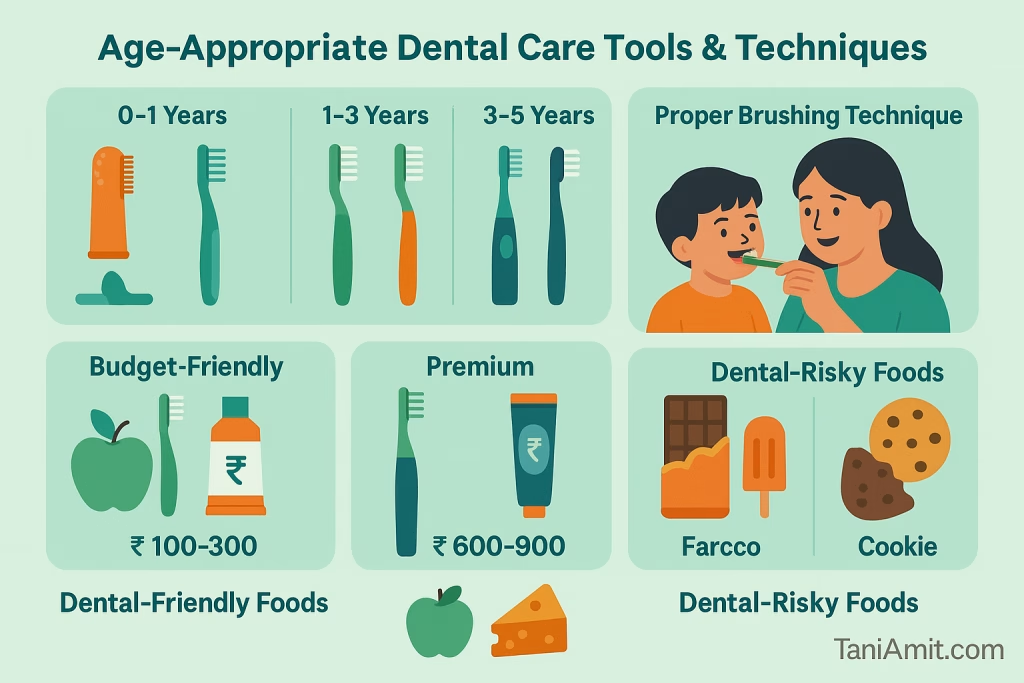
The most financially savvy aspect of pediatric dental care is prevention. Implementing these strategies can significantly reduce your overall children’s preventive dental economics:
Age-Appropriate Products:
- Infant finger brushes: ₹100-250
- BPA-free training toothbrushes: ₹150-350
- Fluoride-free toddler toothpaste: ₹120-280
Don’t be fooled by expensive “baby dental kits” that can cost upwards of ₹1,000. I’ve found that simpler, less expensive options are often just as effective. My pediatric dentist actually recommended a clean, damp washcloth for cleaning infant gums rather than specialized products.
DIY Dental Care Routines:
- Wiping gums with a clean, damp washcloth after feedings
- Making tooth-brushing a fun game with songs or stories
- Creating reward charts for dental hygiene compliance
These zero-cost approaches can be remarkably effective in establishing habits that prevent costly procedures later.
Nutrition Choices for Dental Health:
- Limiting juice consumption (even 100% fruit juice)
- Avoiding sticky snacks that cling to developing teeth
- Ensuring adequate calcium intake through dairy or fortified alternatives
We implemented a “water only after brushing” rule in our home, which our pediatric dentist credited with preventing early childhood caries that would have cost thousands to treat.
Several dental health tracking apps are now available for free, helping parents monitor brushing technique and duration. These digital tools have proven remarkably effective at establishing good habits that prevent costly treatments.
Negotiating and Reducing Dental Care Costs
Many parents don’t realize that dental fees are often negotiable. Here are strategies I’ve personally used to reduce our family’s dental expenses:
Price Comparison: Call multiple providers and ask specifically about:
- New patient specials (many offices offer reduced-rate initial visits)
- Package pricing for annual preventive care
- Family discounts when bringing multiple children
Questions to Ask Dental Offices:
- “Do you offer payment plans for preventive care packages?”
- “Is there a discount for paying the annual preventive care costs upfront?”
- “Do you have any upcoming special promotions for new pediatric patients?”
When preparing for our twins’ dental visits, I discovered a 30% price variation between comparable pediatric dental practices in our city. The more expensive provider wasn’t necessarily better—just located in a more affluent neighborhood.
Dental Discount Programs: Several dental discount programs now operate in major Indian cities, offering 20-40% discounts at participating providers for an annual membership fee (typically ₹1,500-3,000). These programs can be particularly valuable for families with multiple children.
Community Resources:
- Dental schools often provide discounted care through student clinics supervised by experienced dentists
- Community health fairs frequently offer free dental screenings
- NGOs in major cities sometimes sponsor pediatric dental camps
During one of the other client’s child first dental visit financial planning process, they found an excellent pediatric dental residency program that provided care at about 40% less than private practice rates, while still maintaining high quality standards.
Long-Term Financial Planning for Your Child’s Dental Journey
Effective dental care financial planning for babies extends beyond the first visit. Here’s how to develop a comprehensive 5-year dental care budget for your child:
Projected Costs By Age:
- Ages 0-1: ₹4,000-8,000 (initial visits, education)
- Ages 1-2: ₹6,000-10,000 (regular preventive visits, possible early interventions)
- Ages 2-3: ₹8,000-12,000 (complete preventive program, potential minor treatments)
- Ages 3-5: ₹10,000-18,000 (continued prevention, possible space maintainers or early orthodontic evaluation)
For families with hereditary dental concerns, add 25-30% to these estimates as a safety margin.
Future Orthodontic Planning: While comprehensive orthodontics typically begins later, early orthodontic screening is recommended by age 7. Initial consultations cost ₹1,000-2,500, with potential early interventions ranging from ₹8,000-25,000.
We recommend establishing a separate orthodontic savings sub-account once your child reaches age 3, contributing ₹1,000-2,000 monthly if family history suggests orthodontic needs will be likely.
Adjusting Your Plan: Review and adjust your dental care budget annually, especially after:
- Regular dental checkups that identify new concerns
- Changes in family financial circumstances
- Updates to dental insurance coverage
We initially underestimated our son’s dental needs but adjusted our dental health financial planner when early spacing issues were identified. Increasing our monthly contributions by ₹1,000 helped us prepare for future orthodontic needs without financial strain.
Balancing Dental with Other Healthcare: Dental expenses should be considered alongside other childhood healthcare costs:
- Allocate approximately 15-20% of your child’s overall healthcare budget to dental care
- Consider flexible spending accounts that can be used for various healthcare needs
- Review and adjust allocations annually based on changing needs

Conclusion
Effective child first dental visit financial planning sets the foundation for a lifetime of good oral health while protecting your family’s finances. By understanding recommended timing, anticipating costs, exploring insurance options, creating a dedicated dental fund, implementing preventive strategies, negotiating costs, and developing a long-term plan, you can ensure your child receives excellent dental care without financial strain.
Remember that early investment in preventive dental care is one of the most financially savvy decisions you can make as a parent. The preventive approach we advocate at TaniAmit can save your family thousands in the long run while giving your child the gift of a healthy smile for life.
Take action today by joining our newsletter and get our premium resources for free.
Reach out to us for any question or content/copywriting needs.